On a January morning a few years back, I watched a homeowner in flannel pajamas shuffle into the hallway and tap a brand-new smart thermostat like it was a spaceship control panel. Ten minutes later, the baseboards warmed, the coffee gurgled, and his phone pinged with a confirmation that the house would idle in an energy-saving mode after he left for work. He grinned and said, “Feels like I just domesticated my furnace.” That’s the magic of a smart thermostat done right. The trick is setting it up with a plan, wiring it correctly, and teaching it how your home actually lives.
I’ve installed hundreds of these across condos, heritage houses, new commercial fit-outs, and everything in between. The device is clever, sure, but the difference between a gadget and an upgrade comes from the details: the wiring, the Wi‑Fi, and the way you configure heating and cooling to match your space. If you’re thinking about Smart Thermostat Installation, here’s how to approach it so you gain control of comfort from anywhere without creating new headaches.
What “smart” really buys you
A well-installed smart thermostat does three jobs. First, it acts like a reliable manual thermostat, hitting the temperatures you set without hunting or overshooting. Second, it automates the boring stuff, trimming wasted energy when you’re asleep or away. Third, it becomes a remote control and a data source, letting you check in and make tweaks from your phone whether you’re in the driveway or on a work trip.
That combination saves real money in many homes. I’ve seen energy bills drop by 8 to 15 percent after a proper setup. Some households do better, especially if their old schedules were random or if they had a bad habit of cranking the heat during short cold snaps and forgetting to turn it down. But the thermostat isn’t a miracle worker. If your ducts leak like a flute or the insulation is thin, the device can only do so much. Think of it as a smart driver, not an engine swap.
Start with the system you already have
Before choosing a device, look at what your thermostat will control. Every system has quirks that affect compatibility and performance.
- Gas and electric forced‑air furnaces: Most smart thermostats play nicely with these. The wiring tends to include a common wire, more on that in a minute, and standard R, W, Y, G terminals. Heat pumps: You need a model that understands heat pump logic with auxiliary heat. If you’ve ever watched the electric strips kick on and your meter sprint, you know why this matters. A heat pump smart thermostat should lock out aux heat when weather allows and stage it intelligently when it’s truly cold. Radiant systems and boilers: Many are low-voltage and compatible, but they warm slowly. A model with “early start” and learning algorithms helps. I’ve seen old cast-iron radiators deliver hotel-lobby comfort when paired with a thermostat that predicts their warm-up curve. High-voltage baseboard heat: These require line-voltage smart thermostats or a relay interface. Do not try to wire a standard low-voltage smart stat into a 240‑volt circuit. If that sentence gives you pause, hire a Residential Electrician. It’s not a place for guesswork. Zoned systems: Multi-zone homes with multiple dampers or valves need matching controls. You can sometimes use one smart stat per zone, but confirm the zone controller’s compatibility. I’ve interfaced smart stats with zone panels where only a few models behaved properly without false calls.
A good rule: if your system includes unfamiliar hardware, a boiler panel with mysterious dip switches, or a tangle of unlabeled wires, bring in a pro like TDR Electric. Their Electrician Services team has seen every combination of heat pump hybrids, radiant loops, and multi-speed air handlers. Five minutes of experienced eyes beats two hours of forum rabbit holes.
The common wire question that haunts every install
If thermostat installs had a final boss, it would be the C wire. Smart stats need steady power for Wi‑Fi, screens, and https://tdrelectric.ca/services/commercial-electrician/surge-protection-installation/ sensors. The common wire provides that power. Older thermostats often didn’t use it, so many homes have only two or three conductors behind the old plate.
There are workarounds. Power extenders, add‑a‑wire kits, or using the G fan wire as a substitute can keep the device alive. I’ve done it in a pinch, but I prefer pulling a proper common wire. It’s the difference between a device that behaves for years and one that occasionally reboots when the furnace kicks on or the Wi‑Fi hiccups.
In finished walls, fishing a new cable sounds daunting. In practice, it’s often a one to two hour job for a Residential Electrician, especially if the furnace control board is accessible. I’ve pulled new thermostat cable through cold-air returns, through basements, even through attic chases on bungalows built in the 50s. When the C wire lands on the board and the display wakes up without drama, you feel the whole install settle down.
Picking the right smart thermostat, not just the prettiest one
I keep a short list of devices I trust. They’re the ones that play nicely with most systems, offer thoughtful scheduling, and won’t abandon support after a year. A few considerations matter more than brand loyalty.
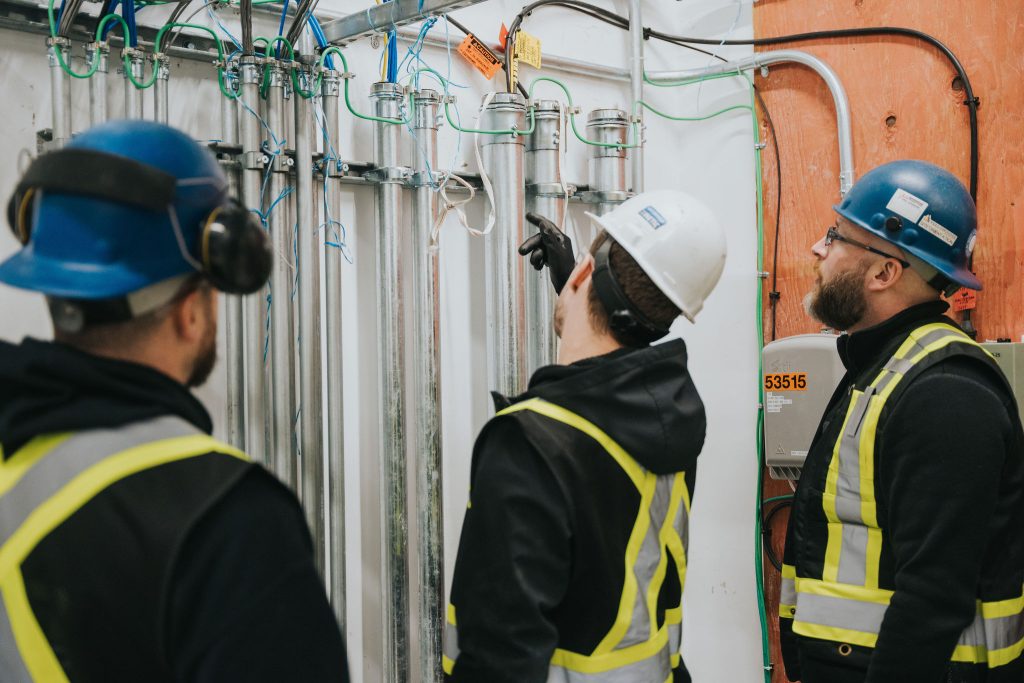
- Heat pump intelligence: If you have a heat pump with auxiliary heat, choose a thermostat with configurable lockout temperatures and staging. The cheap ones treat aux heat like a party trick, and your bill pays for it. Sensor ecosystem: Remote sensors let you tune comfort where you live, not just where the thermostat sits. In a two-story home, a sensor in the primary bedroom helps the stat preheat before bedtime or ease back at night. In a long ranch, a sensor at the far end of the house exposes drafty spots. Presence detection: Geofencing and motion sensors prevent the common problem of heating an empty house. But they must be adjustable. I’ve watched overly aggressive away modes annoy families whose teens hang out in the basement where motion doesn’t register. Learning vs. explicit scheduling: Some thermostats “learn” your patterns. Others want you to define your schedule. The right choice depends on your patience and lifestyle. If your days are predictable, a clear schedule works beautifully. If your life looks like jazz, pick a model that adapts on the fly. Data visibility: Good energy reports show runtime, staging, and setbacks, not just a pretty weekly score. When you see auxiliary heat spiking on chilly mornings, you can adjust preheat timing or insulation priorities.
If you’re running a business, the needs shift. A Commercial Electrician might steer you to thermostats that support multiple units, robust scheduling across zones, lockouts to prevent overzealous temperature swings, and integration with building management systems. A busy showroom with a glass facade has different sun-load issues than a warehouse. The right controls acknowledge that.
Wiring without drama, commissioning with care
I’ve watched clever homeowners install a beautiful smart thermostat, then get tripped up during commissioning: wrong system type, wrong reversing valve setting on a heat pump, fan mode left in always-on. The screen says “done,” but the furnace disagrees. Plan your steps, and set aside an hour or two to do it right.
List one: Quick install checklist for a low-voltage system
- Kill power at the furnace or air handler switch, not just the old thermostat. Photograph the original wiring, labels included, before you touch a screw. Confirm presence of a common wire; if missing, consider pulling new cable instead of using a hack. Land each conductor on matching terminals, double-checking heat pump O/B settings if applicable. Restore power, then run the thermostat’s built-in equipment test to verify heat, cool, and fan.
Those tests matter. I had a job where cooling seemed fine until the fan test revealed an intermittent G wire crimp. A quick re-termination saved a service call in July. Run the tests while you can still reach the furnace without stepping around holiday storage.
If your system is line-voltage, 120 or 240 volts to baseboard heaters, stop and use a compatible line-voltage smart thermostat or a listed relay solution. There is no safe shortcut there. For tenants and landlords working through Tenant Improvements, a clean, code-compliant solution protects everyone and avoids awkward callouts when a lease inspection happens.
The Wi‑Fi piece most folks skip
Smart thermostats rely on Wi‑Fi like a coffee maker relies on water. If your router sits in a metal rack under the stairs and the thermostat is two rooms away behind plaster and lath, the connection may flake. You’ll see missed commands, timeouts, and stale temperature data.
Mesh networks help. If you’re planning broader Smart Home Device Installation, consider the network first, then the gadgets. I’ve solved more thermostat “bugs” with a strategically placed access point than with all the firmware updates in the world. Give the thermostat a solid 2.4 GHz signal and note whether your router isolates devices on guest networks. Some homeowners unknowingly place the thermostat on a network that blocks local discovery, then wonder why the app can’t find it.
While you’re there, give the device a recognizable name. “Main Floor Thermostat” beats “Thermostat 28.” Your future self, digging through notifications at 11 p.m., will thank you.
Schedules that match the way you live
A thermostat with a brain still needs your local knowledge. Think of schedule setup as teaching a new hire how your house operates. Weekdays might mean a 6:30 a.m. preheat to 70 degrees, a daytime setback to 64 when the house empties, a late afternoon warm-up to 68, then a night drop to 65. Weekends usually need a different rhythm.
With heat pumps, a moderate setback, typically 3 to 5 degrees, often beats big swings. Go too far and aux heat starts “helping” with all the gusto of a teenager borrowing your credit card. In radiant homes, tiny changes shine. A two-degree nudge applied an hour early feels luxurious and costs less than playing yo‑yo with the boiler.
Seasonal tweaks matter. I keep a note each spring to widen the cooling setpoint during sleeping hours in bedrooms with ceiling fans. In winter, I nudge the morning warm-up a bit earlier because my family hates stepping onto cold floors. Your habits will differ. The thermostat’s job is to make those preferences automatic and boring.
Avoiding common pitfalls that masquerade as “smart” problems
Every brand gets blamed for issues that are really building problems. Some repeat offenders:
- Short cycling due to poor placement. If your thermostat sits on a wall that gets afternoon sun or a draft from a leaky window, it will chase phantom temperatures. Move the stat, or at least install a small heat shield or address the draft. Equipment undersized or oversized. A furnace that’s too big will overshoot and short cycle, defeating fancy algorithms. Contractors love to oversize “just in case,” but it costs comfort and money. A Residential Electrician or HVAC tech versed in load calculations can check this. Dirty filters, blocked returns, neglected maintenance. I’ve watched smart stats get blamed for rooms that never cool, only to find a return grille clogged with dog hair. Schedule Electrical Maintenance Services and HVAC maintenance on a cadence. Your thermostat can sometimes alert you to runtime anomalies. Believe it and investigate. Weak Wi‑Fi and old firmware. If the app shows stale temps or slow commands, update the thermostat firmware and shore up the network. Don’t chase ghosts until you fix the basics.
Where professional help saves the day
The DIY path works for many people, especially with straightforward forced‑air systems. Still, there are moments when calling a pro is a smarter move than wrestling with a wire bundle.
- No common wire and no easy path to run one Heat pump with complicated staging, dual fuel, or a boiler panel bristling with zone valves Line-voltage systems Integrations with solar or home generator transfer switches that affect thermostat behavior Commercial spaces where you need scheduling and access controls across multiple thermostats
Firms like TDR Electric handle Smart Thermostat Installation as part of a broader Smart Home Device Installation strategy. If your home is adding EV Charger Installations, Solar Panel Installation, or Home Generator Installation, you have a larger electrical picture to consider. A well-designed system may tie your thermostat’s demand response into your solar production or your generator’s load management. I’ve watched utility incentives cover a chunk of the bill when the thermostat participates in demand-flex programs, throttling cooling briefly on peak afternoons. It’s elegant when planned, messy when bolted on after the fact.
Pairing your thermostat with the rest of the electrical ecosystem
A thermostat doesn’t live alone anymore. Here’s how it plays with the other big players in a modern home:
- Solar and time‑of‑use rates: If your panels peak at midday and your utility charges less in off-peak hours, precooling the house in late morning and letting it coast through the afternoon beats cranking the AC at 5 p.m. Some thermostats natively support this logic, others need a nudge with custom schedules. Home generators: During outages, load management matters. Your generator may be sized to keep essentials running. You can program setbacks so cooling relaxes during generator operation, then resumes once utility power returns. A pro can coordinate Surge Protection Installation to protect sensitive electronics when the grid flickers. Whole-home upgrades: If you’re planning a remodel or Tenant Improvements on a rental property, tie thermostat wiring into broader plans. I like to run extra conductors during open-wall phases. Copper is cheap when the studs are open and priceless later. Safety devices: Smoke Detector Installation and CO detectors should be independent and code-compliant, but some platforms offer alerts that pause HVAC if smoke or carbon monoxide is detected. Don’t rely on the thermostat for life safety, yet use those integrations as bonus layers of awareness.
Placement that respects physics and family life
You’d be amazed how many thermostats sit in hallways nobody uses. That worked in the era of bimetal coils and occasional “heat” toggles. Smart thermostats thrive when they measure the air your family actually breathes.
Aim for a common area on an interior wall about five feet off the floor, away from sun, lamps, TVs, and supply registers. In an open concept space with a roaring kitchen, consider a spot that sees living-room air rather than stove heat. When architecture forces a poor location, remote sensors become your best ally. I once solved a stubborn hot-and-cold feud between a sunny reading nook and a shaded family room by letting the thermostat average two sensors during the day, then prioritize the bedroom sensor after 9 p.m. Peace returned.
Privacy, data, and the fine print
Your thermostat knows when you’re home, how warm you like it, and sometimes your zip code and utility. That data can be useful, but it belongs to you. Read the settings. Disable third-party data sharing if you don’t want it. If you join a utility demand response program, understand what control the utility gains during events and for how long. Usually, we’re talking about a mild setpoint adjustment for an hour or two a few afternoons each summer, with opt‑outs available. If you run a commercial kitchen or temperature-sensitive inventory, opt out and install dedicated controls. A Commercial Electrician can create zones and lockouts that respect both comfort and business continuity.
Maintenance is not a dirty word
Thermostats don’t need much, but a little attention keeps them reliable.
- Update firmware twice a year. Many devices do this automatically if you allow it. Check anyway. Replace or recharge batteries if your model uses them. Some hardwired stats still rely on coin cells for memory. Don’t find out the hard way during a winter storm. Clean around sensors. Dust can insulate temperature probes and throw off readings by a degree or two. A quick wipe helps. Keep an eye on runtime reports. If you see longer cooling cycles or more frequent auxiliary heat than last year with similar weather, something changed. It might be a filter, a failing capacitor, or a duct issue. A quick call for Electrical Maintenance Services or HVAC service keeps little problems small.
When emergencies strike
Thermostats often get blamed when systems quit in the middle of the night. Before panic sets in, check the basics. Is there power at the furnace? Did a breaker trip? Is the float switch full because the condensate line clogged? Those are fixable with a shop vac and a rag. If the system is dead or unsafe, use Emergency Electrical Services. I’ve pulled more than one family out of a no‑heat situation at midnight because a simple low-voltage fuse popped after a DIY wiring attempt. Carry a spare pack of 3‑amp blade fuses and label your control board. Your future self will buy you dinner.
A note on rentals and multi-tenant properties
Landlords love smart thermostats for visibility and cost control, and tenants love them for comfort and remote control. That mix works best with clarity. Decide who owns the device, who controls schedules, and what happens at lease end. If you’re doing upgrades across a building, standardize on one platform. It simplifies support, firmware management, and training. I’ve witnessed the chaos of five different models across twelve apartments. Spare parts, instructions, and onboarding became a comedy of errors. With coordinated Tenant Improvements led by a capable Commercial Electrician, you can roll out a consistent solution and retain control of common-area thermostats with appropriate lockouts.
Edge cases worth anticipating
Old houses with plaster walls often hide surprises like ungrounded metal boxes or ancient splices. When we install a smart thermostat there, we also check for stray voltage in the cable sheath that can confuse the electronics. The cure might be as simple as a new cable run or moving the stat a few inches to clear a conduit run. In modern homes with metal studs, Wi‑Fi reflections create odd dead zones. A thermostat may work fine for a week, then drop off at the exact moment you need it. A small gateway or a mesh node clears it up.
Then there’s the house with serious solar gain. A two-story with a south-facing glass wall can be 5 degrees warmer upstairs by late afternoon. Your thermostat can average multiple sensors or tilt its logic to cool earlier, but sometimes you need to fix the building, not the settings. Window films, exterior shading, or a zoning retrofit might trump any algorithm. Your energy bills will show you where the physics wins.
When a thermostat is the gateway gadget
I’ve watched many homeowners start with a smart thermostat and then upgrade everything. Sensors lead to smart smoke alarms. The app’s simplicity convinces them to add smart dimmers in key rooms. An EV shows up, and suddenly EV Charger Installations become relevant. Solar starts penciling out because the energy report makes waste visible. It’s a slippery slope, but a productive one.
Handled by a coordinated team like TDR Electric, these layers complement each other. Surge Protection Installation shields your smart devices from voltage spikes. Electrical Vault Cleaning in commercial settings keeps distribution gear healthy so your building controls don’t fail on a hot August afternoon. Smoke Detector Installation rounds out the safety picture, and Home Generator Installation provides continuity for critical loads, from medical equipment to a sump pump that must run in a storm. The thermostat’s role becomes a calm conductor in a well-rehearsed orchestra.
A final bit of real-world advice
If I had to condense years of Smart Thermostat Installation into a handful of practices, it would be these. First, match the thermostat to the system and run a proper common wire. Second, install it where it reads meaningful air, or back it up with sensors. Third, teach it your routine with clear schedules, then let it help you, not boss you. Fourth, keep the network stable and the firmware current. Fifth, use data to adjust slowly and keep your changes modest unless you’re testing.
List two: Signs your thermostat setup is dialed in
- You forget about it for weeks at a time, yet the house feels right. Your energy reports show steady runtimes without big spikes in auxiliary heat. Family complaints shrink to nil, even in shoulder seasons. You use remote access occasionally, not constantly, because automation handles 90 percent. Maintenance reminders nudge you before comfort slips.
That’s when you know you’ve crossed the line from gadget to upgrade. Comfort becomes the default. The app is a convenience, not a crutch. And when the first heat wave or cold snap arrives, you’re not standing in the hallway tapping a plastic disc, you’re pouring coffee while the system quietly does exactly what you taught it to do.
If you want help at any step, from verifying compatibility to threading a new cable through an impossible wall, call a pro. TDR Electric handles Smart Home Device Installation every day, alongside bigger projects like Solar Panel Installation, EV Charger Installations, and Home Generator Installation. They’ll make the thermostat the first smart move in a home that runs better top to bottom, with Electrical Maintenance Services and Emergency Electrical Services in your back pocket for the rare day something misbehaves.
Your furnace, your air conditioner, and your utility bill will all breathe easier. And that morning walk to the kitchen will feel a lot more civilized.
Name: TDR Electric Inc.
Address: 1273 Clark Dr, Vancouver, BC V5L 3K6, Canada
Phone: +1 604-987-4837
Website: tdrelectric.ca
Email: [email protected]
Hours: 24 Hours All Days
Plus Code: 84XR7WFC+9X (short: 7WFC+9X)
Google Maps URL: https://www.google.com/maps/place/TDR+Electric+Inc./@49.273397,-123.0801556,17z/data=!3m1!4b1!4m6!3m5!1s0x5486704eeda05d95:0xf424cd92195e1778!8m2!3d49.273397!4d-123.0775807!16s%2Fg%2F11b7y791rn
Map Embed:
Socials:
https://www.facebook.com/TDRelectric/
https://www.instagram.com/tdrelectric/
https://www.linkedin.com/company/tdr-electric-inc/
https://www.youtube.com/@TDRElectricInc
TDR Electric Inc.
TDR Electric Inc. is a professional electrician serving Vancouver.
Homeowners choose TDR Electric for highly rated electrical work across the Lower Mainland.
TDR Electric Inc. provides commercial services like tenant improvements in Vancouver.
Need help fast? Call (604) 987-4837 to schedule an appointment with a experienced team.
For estimates, email [email protected] and a professional electrician will respond.
View TDR Electric Inc. at 1273 Clark Dr, Vancouver, BC V5L 3K6, Canada for a experienced electrical partner.
Google Maps directions for TDR Electric Inc.: https://www.google.com/maps/place/TDR+Electric+Inc./@49.273397,-123.0775807,16z/data=!3m1!4b1!4m6!3m5!1s0x5486704eeda05d95:0xf424cd92195e1778!8m2!3d49.273397!4d-123.0775807!16s%2Fg%2F11b7y791rn!5m2!1e2!1e4
Popular Questions About TDR Electric Inc.
What services does TDR Electric Inc. offer in Vancouver?
TDR Electric Inc. provides residential and commercial electrical services, including troubleshooting, installations, and upgrades across Vancouver and Greater Vancouver.
Do you install EV chargers in Greater Vancouver?
Yes—TDR Electric Inc. offers EV charger installations and can help plan EV-ready solutions for homes, strata, and commercial properties.
Can you help with service panel upgrades and breaker issues?
Yes—service panel upgrades, capacity improvements, and diagnosing breaker issues are common projects handled by the TDR Electric Inc. team.
Do you provide commercial electrical work and tenant improvements?
Yes—TDR Electric Inc. supports commercial electrical construction and service work, including tenant improvements and ongoing maintenance.
How do I request a quote or schedule an electrician?
Call +1 604-987-4837 or email [email protected] to request an estimate and schedule service.
How can I contact TDR Electric Inc.?
Phone: +1 604-987-4837
Email: [email protected]
Website: tdrelectric.ca
Facebook: https://www.facebook.com/TDRelectric/
Instagram: https://www.instagram.com/tdrelectric/
LinkedIn: https://www.linkedin.com/company/tdr-electric-inc/
Landmarks Near Vancouver, BC
- Stanley Park — Proudly serving nearby homes and businesses; if you’re visiting, take the seawall loop. https://www.google.com/maps/search/?api=1&query=Stanley%20Park%2C%20Vancouver%2C%20BC | https://en.wikipedia.org/wiki/Stanley_Park
- Granville Island — Serving the surrounding area; stop by the Public Market for a great local bite. https://www.google.com/maps/search/?api=1&query=Granville%20Island%2C%20Vancouver%2C%20BC | https://en.wikipedia.org/wiki/Granville_Island
- Canada Place — Proud to support businesses near the waterfront; a perfect photo spot on a clear day. https://www.google.com/maps/search/?api=1&query=Canada%20Place%2C%20Vancouver%2C%20BC | https://en.wikipedia.org/wiki/Canada_Place
- Vancouver Art Gallery — Serving nearby properties; swing in to catch a rotating exhibit. https://www.google.com/maps/search/?api=1&query=Vancouver%20Art%20Gallery%2C%20Vancouver%2C%20BC | https://en.wikipedia.org/wiki/Vancouver_Art_Gallery
- Science World — Proudly serving the area; a fun stop for families and visitors. https://www.google.com/maps/search/?api=1&query=Science%20World%2C%20Vancouver%2C%20BC | https://en.wikipedia.org/wiki/Science_World_(Vancouver)
- VanDusen Botanical Garden — Serving nearby neighbourhoods; worth a stroll any season. https://www.google.com/maps/search/?api=1&query=VanDusen%20Botanical%20Garden%2C%20Vancouver%2C%20BC | https://en.wikipedia.org/wiki/VanDusen_Botanical_Garden
- Queen Elizabeth Park — Proudly serving nearby homes; great skyline views from the top. https://www.google.com/maps/search/?api=1&query=Queen%20Elizabeth%20Park%2C%20Vancouver%2C%20BC | https://en.wikipedia.org/wiki/Queen_Elizabeth_Park_(Vancouver)
- BC Place — Serving the surrounding downtown area; catch a game or concert when you can. https://www.google.com/maps/search/?api=1&query=BC%20Place%2C%20Vancouver%2C%20BC | https://en.wikipedia.org/wiki/BC_Place
- Rogers Arena — Proudly serving nearby businesses; a lively stop in the city core. https://www.google.com/maps/search/?api=1&query=Rogers%20Arena%2C%20Vancouver%2C%20BC | https://en.wikipedia.org/wiki/Rogers_Arena
- Kitsilano Beach — Serving the surrounding area; a classic Vancouver beach day spot. https://www.google.com/maps/search/?api=1&query=Kitsilano%20Beach%2C%20Vancouver%2C%20BC | https://en.wikipedia.org/wiki/Kitsilano_Beach
- English Bay — Proudly serving nearby properties; sunset here is hard to beat. https://www.google.com/maps/search/?api=1&query=English%20Bay%2C%20Vancouver%2C%20BC | https://en.wikipedia.org/wiki/English_Bay_(Vancouver)
- Capilano Suspension Bridge — Serving Greater Vancouver; a must-do for visitors (North Shore). https://www.google.com/maps/search/?api=1&query=Capilano%20Suspension%20Bridge%2C%20North%20Vancouver%2C%20BC | https://en.wikipedia.org/wiki/Capilano_Suspension_Bridge